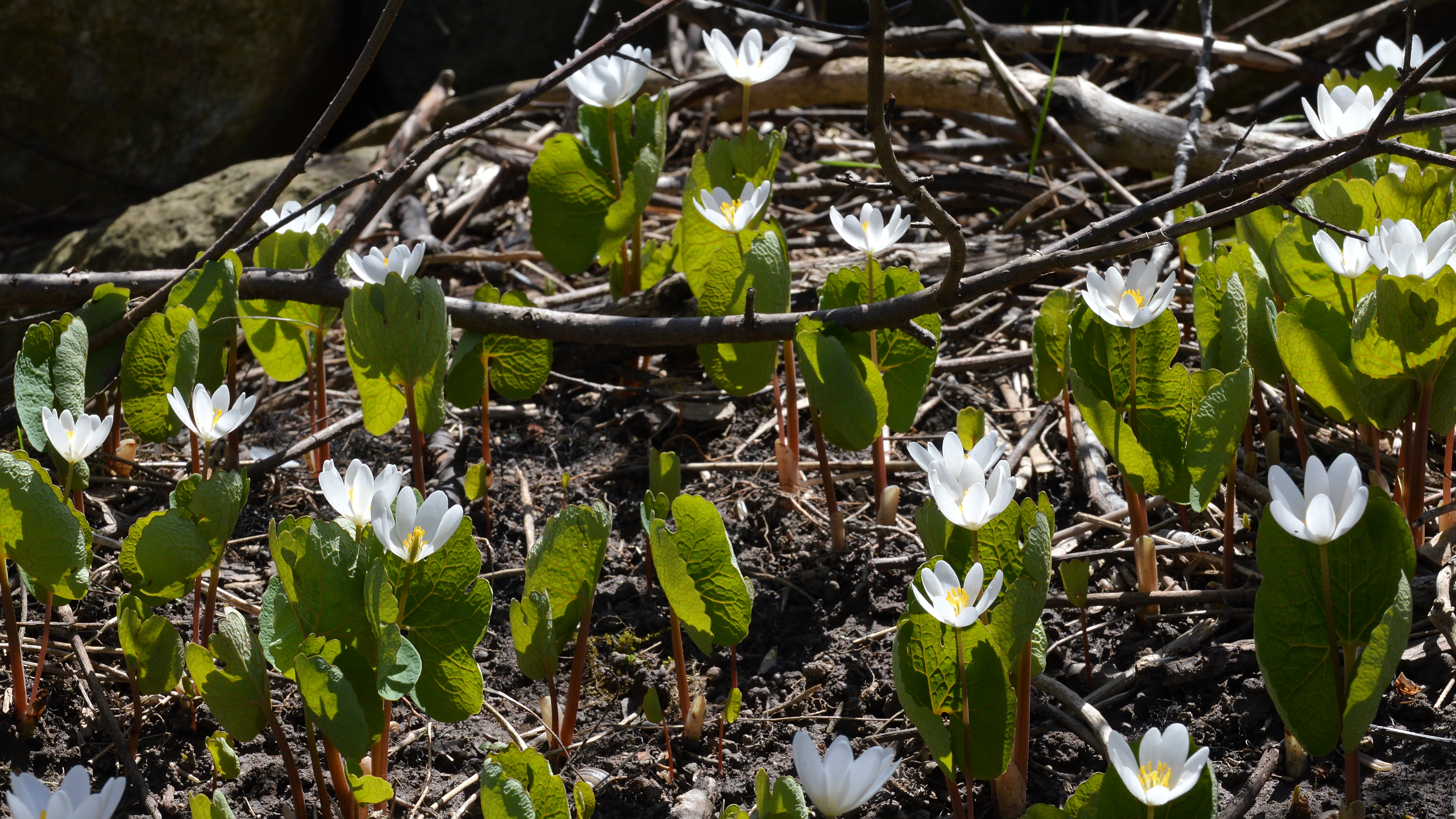
A backyard that is genuinely low-maintenance is not simply one with hardy plants. It is one where the physical layout works with natural processes — water flow, sun angles, soil biology — rather than requiring constant correction of problems that the design itself creates. The difference between a planting that thrives with occasional attention and one that demands weekly intervention is often a matter of site observation and early layout decisions, not plant selection alone.
This article outlines the spatial and structural decisions that most consistently support sustainable backyard management in Canadian residential contexts.

Starting with Site Assessment
Before any planting or structural work, spending time observing how a backyard functions across different weather and seasons reveals patterns that are difficult to correct retroactively. The most useful observations are:
- Water movement: Where does water pool after heavy rain? Where does it run off toward the fence or foundation? Areas that retain water for 24–48 hours after precipitation can support moisture-tolerant natives; slopes and fast-draining areas call for drought-tolerant species.
- Sun and shade: A south-facing open lawn receives full sun most of the day, while an area beneath a mature tree canopy in the northeast corner might receive less than two hours of direct sun. Planting sun-demanding species into shade is among the most common causes of poor establishment.
- Soil type: Digging a simple test hole 30 cm deep and observing how quickly it drains when filled with water gives a reasonable indication of soil drainage. Soils that drain within an hour are well-drained; those that retain water for several hours are poorly drained. Both conditions support native plants — but different ones.
- Existing infrastructure: Buried utilities, septic systems, and tree roots create constraints that affect what can be planted and where paths can be placed. Local municipalities provide utility locating services before excavation.
Designing with Canopy Layers
Natural plant communities organise into layers: a canopy of tall trees, an understorey of small trees and tall shrubs, a shrub layer, a herbaceous layer, and a groundcover layer. Backyard plantings that replicate this structure are more stable than single-layer designs because each layer creates conditions that support the others — shade reducing evaporation, fallen leaves building organic matter, and decomposing wood hosting the insects that feed soil biology.
Canopy Trees
Most urban backyards in eastern Canada already have at least one canopy tree — often a silver maple, Manitoba maple, or Norway spruce. Where existing trees are native (such as sugar maple, red oak, or white birch), keeping them and designing the planting around their root zones is preferable to adding new small trees. Native oaks in particular support a high diversity of specialist insect species; a mature red oak (Quercus rubra) in a backyard has documented value for biodiversity that no combination of non-native ornamental trees can replicate.
Understorey and Shrub Layer
Filling the transition between tall trees and groundlevel plantings with native shrubs and small trees — viburnums, serviceberries, elderberries, dogwoods — creates habitat for nesting birds and provides the structural density that suppresses weed germination underneath. Single-stem plantings leave gaps that fill with invasive species; massed shrub plantings close those gaps more effectively.
Paths and Surfaces
How a backyard is traversed on foot largely determines which planting areas are accessible for maintenance and which will be neglected. Placing paths near areas that require annual attention (vegetable beds, compost bins, rain barrel tap) reduces the effort of access. Wide enough paths (at least 60–75 cm) remain practical in muddy conditions without causing soil compaction in adjacent beds.
Permeable Surfaces
Gravel paths, stepping stones set in groundcover, and wood chip beds all allow rainwater to infiltrate rather than run off. Compared to concrete or asphalt, permeable surfaces reduce stormwater volume reaching storm drains, recharge soil moisture in adjacent planting beds, and stay cooler in summer. For patios, permeable paving blocks are available from most Canadian landscape suppliers and perform comparably to solid paving in cold-climate freeze-thaw cycles when installed with appropriate sub-base depth.
On-Site Composting and Soil Building
The single most productive soil amendment available in a Canadian backyard is compost made from the backyard itself. Fallen leaves, plant trimmings, kitchen vegetable scraps, and spent annuals composted in a simple bin or pile return nutrients and organic matter to the site without requiring purchased inputs. Three-bin composting systems — one for new material, one actively decomposing, one finished — allow continuous production without interrupting the process.
Leaf retention: Rather than bagging autumn leaves for municipal pickup, leaving them in place under shrubs and in planting beds provides winter insulation for plant crowns, habitat for overwintering native bees and beetles, and decomposes into a thin mulch layer by spring. The Ontario government's composting guidance covers municipal leaf programs where this is not feasible.
Weed Management Approaches
In a newly planted backyard, weed pressure is highest in the first two to three years before native plantings have filled in sufficiently to suppress germination. Common approaches to reducing the labour of weeding during this period:
- Dense planting: Placing native perennials and groundcovers at tighter spacing than conventional planting guides suggest accelerates canopy closure. The extra cost in plants is usually recovered in reduced weeding labour within two growing seasons.
- Deep mulch: A 10–12 cm layer of wood chip mulch between plants on installation suppresses most annual weeds. The layer needs refreshing every two to three years as it decomposes.
- Manual removal before seeding: Invasive annual weeds such as crabgrass and lamb's quarters are easily pulled before they set seed. Removing them before seed drop prevents the following year's cohort from establishing.
- Avoiding soil disturbance: Cultivating soil repeatedly brings weed seeds from depth to the surface where they can germinate. Minimising tillage after initial bed preparation reduces weed pressure in subsequent years.
Long-Term Trajectory
A native planting designed with layering and appropriate site matching typically requires the most attention in years one and two, moderate attention in years three and four, and substantially less effort from year five onward. Plants that have developed root systems matched to local conditions need intervention mainly for invasive weed removal, occasional division of clumping perennials, and selective pruning to manage shrub size.
The long-term maintenance demand of a well-designed native backyard is substantially lower than that of a conventional turf-plus-ornamental landscape — not because it requires no attention, but because the attention it requires is occasional and predictable rather than constant and corrective.

Further Resources
The following publicly available resources cover specific aspects of sustainable backyard design in the Canadian context:
- City of Toronto — Green Infrastructure: Rain gardens, permeable paving, and tree canopy resources for Toronto homeowners.
- Canadian Wildlife Federation — Gardening for Wildlife: Native plant encyclopedia and habitat garden design guides.
- David Suzuki Foundation — Dig In: City-specific native plant guides for Vancouver, Toronto, Calgary, and other Canadian cities.
- Natural Resources Canada — Plant Hardiness Zones: Official hardiness zone mapping for Canadian municipalities.
This article draws from publicly available municipal and conservation authority resources. Design outcomes depend on specific site conditions, soil type, and climate patterns. All linked external resources are publicly accessible as of the date of publication. Last reviewed June 2026.